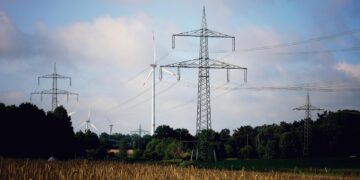
Harnessing Nature’s Power: An In-Depth Exploration of Renewable Energy Sources
In the face of escalating environmental concerns and the increasing demand for sustainable initiatives, harnessing the power of renewable energy sources has become imperative. This exploration delves into the various types of renewable energy, their benefits, challenges, and the future prospects of shifting towards a greener planet.
Understanding Renewable Energy
Renewable energy is derived from natural processes that are constantly replenished. This includes sunlight, wind, water movements, and geothermal heat. Unlike fossil fuels, which offer a finite amount of energy and contribute significantly to environmental degradation, renewable energy sources promise a cleaner future.
Solar Power
Solar energy is one of the most prominent sources of renewable energy. It involves capturing the sun’s energy using solar panels made of photovoltaic cells that convert light into electricity. Solar power is versatile, capable of generating electricity, heating water, and powering homes and businesses.
Wind Energy
Wind energy harnesses the power of air flow through wind turbines to mechanically power generators for electricity. As the fastest growing renewable energy source, wind energy is highly efficient, cost-effective, and scalable from small personal units to large-scale wind farms.
Hydropower
Derived from the energy of moving water, from streams to vast rivers, hydropower relies on hydroelectric power plants. It is currently the largest source of renewable energy in the world, contributing to about 16% of global electricity generation.
Geothermal Energy
Geothermal energy is generated from the earth’s internal heat. Geothermal plants convert this heat into electricity while some installations use it directly for heating buildings.
Bioenergy
Bioenergy is produced from organic materials, known as biomass, which include plants, wood, and waste. As both a versatile and scalable source, bioenergy can produce electricity, heat, and biofuels for transportation.
Benefits of Renewable Energy
The transition to renewable energy sources offers numerous environmental and economic benefits. Primarily, it leads to a significant reduction in greenhouse gases, thus mitigating climate change. Economically, it stimulates job creation in new industries and reduces dependency on imported fuels.
Addressing Common Questions on Renewable Energy
Is Renewable Energy Cost-Effective?
Initially, renewable energy technologies might require higher capital investment compared to conventional sources. However, the reduction in operational and maintenance costs makes it a cost-effective solution long-term. Moreover, many governments offer subsidies and incentives to reduce the initial financial burden.
Can Renewable Energy Replace Fossil Fuels Completely?
While renewable energy has the potential to replace a significant portion of fossil fuels, complete replacement depends on advancements in technology, storage solutions, and consistent support from policies. Integrating a mix of energy sources might be necessary for a full transition.
What Are the Obstacles to Adopting Renewable Energy?
Despite its benefits, the path to adopting renewable energy includes challenges such as technological limits, high initial costs, inconsistent availability, and the need for substantial infrastructure changes.
The Future of Renewable Energy
The future of renewable energy looks promising with continuous advancements in technology and increasing awareness of sustainability issues. Innovations like enhanced battery storage solutions and smart grids are addressing intermittency issues and making renewable energies more reliable and efficient.
Innovative Trends
Sector coupling, which integrates different energy consuming sectors like electricity, heat, and transport, is a growing trend. It utilizes excess renewable energy, improving overall efficiency across multiple platforms.
Global Impact
Countries around the world are progressively shifting towards renewable energy. Leaders such as Denmark and Germany have demonstrated the potential of a renewable-heavy grid, serving as models for other nations.
Role of Policy Makers and Public Support
For renewable energy to flourish, cohesive policies that support sustainable energy projects and investments are crucial. Public support also plays a significant role in driving demand for renewable innovations and can help accelerate the transition towards a more sustainable energy system.
Conclusion
Renewable energy presents a hopeful avenue towards achieving environmental sustainability and mitigating the global dependency on non-renewable resources. While challenges persist, the relentless improvements in technology and increasing inclination towards green policies provide a bright outlook for the future of renewable energies.
In harnessing nature’s power, not only do we edge closer to a sustainable future, but we also create a healthier planet for forthcoming generations. The time for action is now—embracing renewable energy is imperative for ecological balance and global prosperity.